
Dog Limping: What to Note and When to See a Vet
Understand why a limping dog needs attention, which details to record and why a supplement should not replace assessment of a new limp.
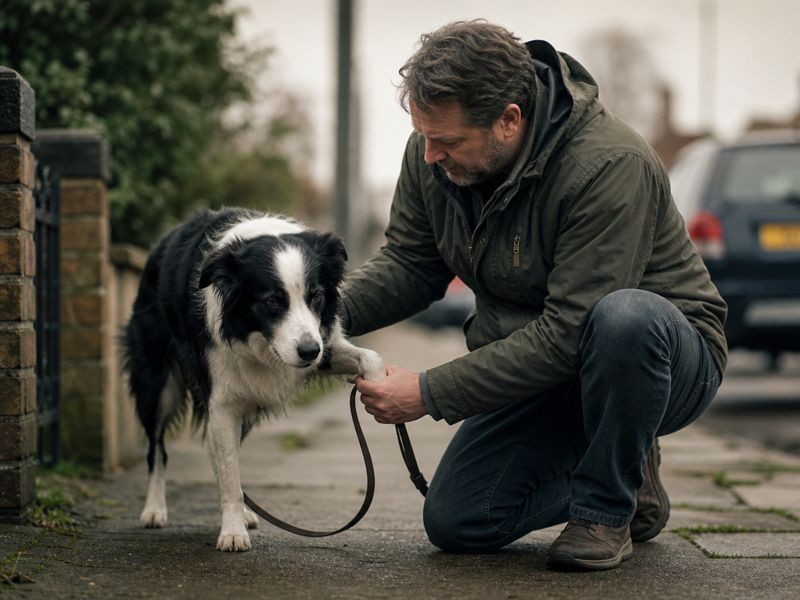
Illustrative photo, not a real customer.
What it can be a sign of
Lameness is a sign of a problem, not a condition in itself. It can come from a paw injury, a strain or sprain, a torn ligament, a joint problem or arthritis. A dog cannot tell you which, and they often hide how much it hurts.
Check the paw gently for a cut, a thorn or a broken nail. If your dog will not put weight on the leg, cries when it is touched, or the limp is still there the next day, book a visit.
How it connects to the bowl
The bowl does not cause a sudden limp, but it decides how much load every joint carries for the rest of your dog’s life. Weight control is the first item on the list for managing joint disease, ahead of medicine and supplements.
For a growing large-breed puppy, the food’s life stage matters too. Ask your vet to confirm the food is right for growth.
What may be missing or overdone
The most common problem is simply too many calories, much of it from treats and chews that never get counted. Extra weight makes a sore leg worse and slows recovery.
What can help
Rest your dog and see the vet first. Once you know the cause, the diet side is clear: measured portions, counted extras and a healthy weight. Joint support such as glucosamine, chondroitin and omega-3 fatty acids is part of how vets manage arthritis, usually together with other care.
It is rarely just a limp
A limp that comes and goes, stiffness after rest, slowing on walks, reluctance to jump or licking at one joint all belong to the same story. Tell your vet about every one of them. Do not give human pain medicine. Many are dangerous for dogs.